jueves, 17 de octubre de 2013

PAST PERFECT CONTINUOUS


PAST PERFECT CONTINUOUS


SUBJECT + HAD + BEEN + VERB-ing + (Complements)

STATEMENT              I had been studying for ten hours
                                She had been writing a composition since Sunday
                                They had been walking home every day

NEGATION                  I had not been studying for ten hours
     She had not been writing a composition since Sunday
                                 They had not been walking home every day

INTERROGATION     Had I been studying for ten hours?
     Had she been writing a composition since Sunday?
                              Had they been walking home every day?

TIME EXPRESSIONS:

Those related to perfect tenses.
 
USES:
·                   To emphasize the duration of the action: They had been playing with the computers for days without sleeping.
·                   Continuous actions happening in the past before another short action took place: I had been working for hours when the director came in my office.

·                    I had been trying to find an agent for months until finally I found one. (SE SUELE TRADUCIR POR ‘LLEVAR’ EN PRETÉRITO IMPERFECTO + VERBO EN GERUNDIO).
·                    Lo habitual es que esas dos acciones vayan unidas por una conjunción, que puede ser temporal (WHEN, UNTIL, BEFORE), concesiva (ALTHOUGH) o causal (BECAUSE). The play was a failure because the main character had been drinking all night.
·                    Las expresiones temporales usadas con el PERFECT CONTINUOUS deben indicar un período, no un momento concreto.
·                    Si se puede contar el número de veces que ha ocurrido una cosa no se utiliza el PERFECT CONTINUOUS. He has tried has been trying to call her four times today.
·                    Los VERBOS ESTÁTICOS (WANT, KNOW, BELIEVE, etc.) no pueden ir en PERFECT CONTINUOUS.


PAST SIMPLE


PAST SIMPLE

SUBJECT + VERB (Past Form) + (Complements)

                        * The PAST FORM of a verb is as follows:
                                   - REGULAR VERB:            + ed
                                   - IRREGULAR VERB:        own form


STATEMENT                      I walked every day
                                        She came from school on foot
                                        They were good friends

NEGATION                         I did not walk every day
                                        She did not come from school on foot
                                        They were not good friends

INTERROGATION                Did I walk every day?
                                          Did she come from school on foot?
                                          Were they good friends?

USES:

·                    Repeated or habitual actions in the past: He wrote to her every day
·                    Actions completed in the past: I started the job four months ago
·                    Actions in the past without mention of time: We found the ball
·                    2nd Conditional Clauses (Improbable / Unlikely): If I went to London, I would see the Queen

TIME EXPRESSIONS:

·                    YESTERDAY / THE DAY BEFORE YESTERDAY
·                    AT (Hours) / ON (Days of the Week) / IN (Months, Years and Centuries)
·                    LAST (day, year, time, ...)
·                    AGO (Three days ago)
·                    IN THE PAST

SPELLING RULES:

·                    Silent ‘e’:              + D:     ARRIVE - ARRIVED
·                    C ú C:                   + C + ED: STOP – STOPPED / PREFER - PREFERRED
·                    Final ‘l’:                + L + ED: TRAVEL - TRAVELLED
·                    Final C + ‘y’:        + I + ED: CARRY – CARRIED / STUDY - STUDIED

sábado, 6 de abril de 2013

PAST PERFECT SIMPLE


PAST PERFECT SIMPLE

SUBJECT + HAD + VERB-pp + (Complements)

STATEMENT                   I had finished my homework
                                     She had gone home soon
                                     They had studied the whole lesson

NEGATION                     I had not finished my homework
                                    She had not gone home soon
                                    They had not studied the whole lesson

INTERROGATION            Had I finished my homework?
                                     Had she gone home soon?
                                     Had they studied the whole lesson?

TIME EXPRESSIONS:

·                    FOR / DURING / SINCE:
- FOR:        A period of time
 He had worked as a miner for six years
- DURING: A period of time defined by itself:
He had worked as a miner during the autumn
- SINCE:     A period of time extending into the present:
He had worked as a miner since he left school
 
·                    EVER / NEVER
- EVER:  To express at any time in the past until now:
Interrogative (ALGUNA VEZ):      Had you ever been to London?
Negative (NUNCA):                      I had not ever drunk gin
- NEVER: To express at no time (the opposite of ‘ever’):
 Affirmative (NUNCA):                 I had never been to London
 
·                  JUST: To express a recently completed action:
- JUST (ACABAR DE):          The children had just come from school

·                    ALREADY / YET
- ALREADY:     
Affirmative (YA):                They had already seen the film
- YET:                 
 Interrogative (YA):             Had you finished yet?
 Negative (AÚN / TODAVÍA): He had not finished his meal yet
 
·                    BEFORE / AFTER:
- BEFORE (ANTES):                 I had studied before I went out
- AFTER (DESPUÉS):                I went out after I had studied

·                    WHEN / BY THE TIME / AS SOON AS:
- WHEN (CUANDO):                   I had already eaten when he arrived
- BY THE TIME (PARA CUANDO): By the time I was seven, I had written two novels
- AS SOON AS (TAN PRONTO COMO): As soon as I had finished my dinner, the telephone rang.

·                    UNTIL (HASTA QUE): Until I was in London, I hadn’t visited a museum

USES:
·                    To talk about an action or activity that happened before another activity or time in the past: I had never eaten lobster until I was in Hawaii.

PAST SIMPLE PERFECT versus PAST SIMPLE
The most recent activity is in the Past Simple while the previous one is in the Past Perfect Simple: This morning, I washed my hair after I had eaten breakfast.


domingo, 10 de febrero de 2013

THERE BE


THERE BE

STATEMENT         NEGATION             INTERROGATION

PRESENT:
 
- SINGULAR  There is (There’s)    There is not (isn’t)        Is there?

- PLURAL    There are (There’re)  There are not (aren’t)   Are there?
 

PAST: 

- SINGULAR   There was  There was not (wasn’t)      Was there?

- PLURAL      There were There were not (weren’t)   Were there?
 
·          There is / was are followed by uncountable or singular countable nouns
·          There are / were are followed by plural countable nouns
 
FUTURE:            There will be     There will not be        Will there be?
 

CONDITIONAL: There would be  There would not be    Would there be?


            Se traduce por el verbo impersonal HABER en español

domingo, 3 de junio de 2012

PROJECTS 2012: 3º ESO 'IRREGULAR VERBS' IES SALADILLO - ALGECIRAS - CÁDIZ


Projects made by Amina Ammor, Claudia Gómez, José Ladrón, Mª Jesús Cote,  Melisa Ruiz, Nuria Tejado, Sonia Pacheco and Yassmina Akdi on Irregular Verbs

PROJECTS 2012: 1º ESO 'IRREGULAR VERBS' IES SALADILLO - ALGECIRAS - CÁDIZ


Projects made by Déborah Ladrón, Jennifer Rojas, Mª Carmen García and Sebastián León on Irregular Verbs

domingo, 4 de marzo de 2012

TOO / ENOUGH

TOO: It means more than is necessary or excessive. (DEMASIADO / A / OS / AS)

Too + ADJ / ADV                                         
I am too tired                           The music is too loud
He is too big                            You work too slowly
 
Too much (Uncountable):        There is too much water
Too many (Countable):           There are too many students

 
    ENOUGH:  It means sufficient. (SUFICIENTE / SUFICIENTEMENTE)

Enough + NOUN                    I have enough money
ADJ / ADV + Enough  He is tall enough to play basketball

NOT + ADJ + ENOUGH (NO SUFICIENTEMENTE / NO LO BASTANTE)
He is not tall enough to play basketball

* We use TO+Infinitive after TOO and ENOUGH

COMPARATIVE AND SUPERLATIVE (ADVERBS AND ADJECTIVES)


COMPARATIVE AND SUPERLATIVE (ADVERBS AND ADJECTIVES)

EQUAL          AS + ADJ / ADV + AS  
John is as intelligent as Mary
John eats as impulsively as Mary


INFERIOR    LESS + ADJ / ADV + THAN
John is less intelligent than Mary
John eats less impulsively than Mary


SUPERIOR    MORE + ADJ / ADV + THAN (more than 2 syllables)
John is more intelligent than Mary
John eats more impulsively than Mary

              (ADJ / ADV + ER) + THAN (only one syllable)
John is taller than Mary
John works harder than Mary


SUPERLATIVE  THE MOST + ADJ / ADV(more than 2 syllables)
John is the most intelligent boy
John works the most impulsively of all

                THE (ADJ / ADV + EST) (only one syllable)
John is the tallest boy
John works the hardest of all


* TWO SYLLABLES:

  a) -- --y          ier / iest
pretty: prettier than / the prettiest girl

  b) -- --other   more than / the most
rapid: more rapid than / the most rapid car

  c) -- --ly
ADJ (as 1 syllable)  ugly: uglier than / the ugliest cat
ADV (as 3 syllables)   quickly: more quickly than / the most quickly


IRREGULARS:
ADJ / ADV                      SUPERIOR                     SUPERLATIVE
good / well                      better                                the best
bad / badly                      worse                                the worst
many / much                   more                                 the most
few /little                        less                                   the least
old (adjective)                 older                    the oldest (things)
                                      elder                    the eldest (people)
far (adverb)                    farther                 the farthest (distance)
                                      further                 the furthest (general)


REDUPLICATION OF LAST CONSONANT:

C + ú + C --- c

DOUBLE COMPARATIVE:

a)      Continuous change: Peter was getting more and more nervous
b)      Two changes happening together: the more I read, the less I know

OTHERS:

c)      SIMILAR TO
d)     DIFFERENT FROM

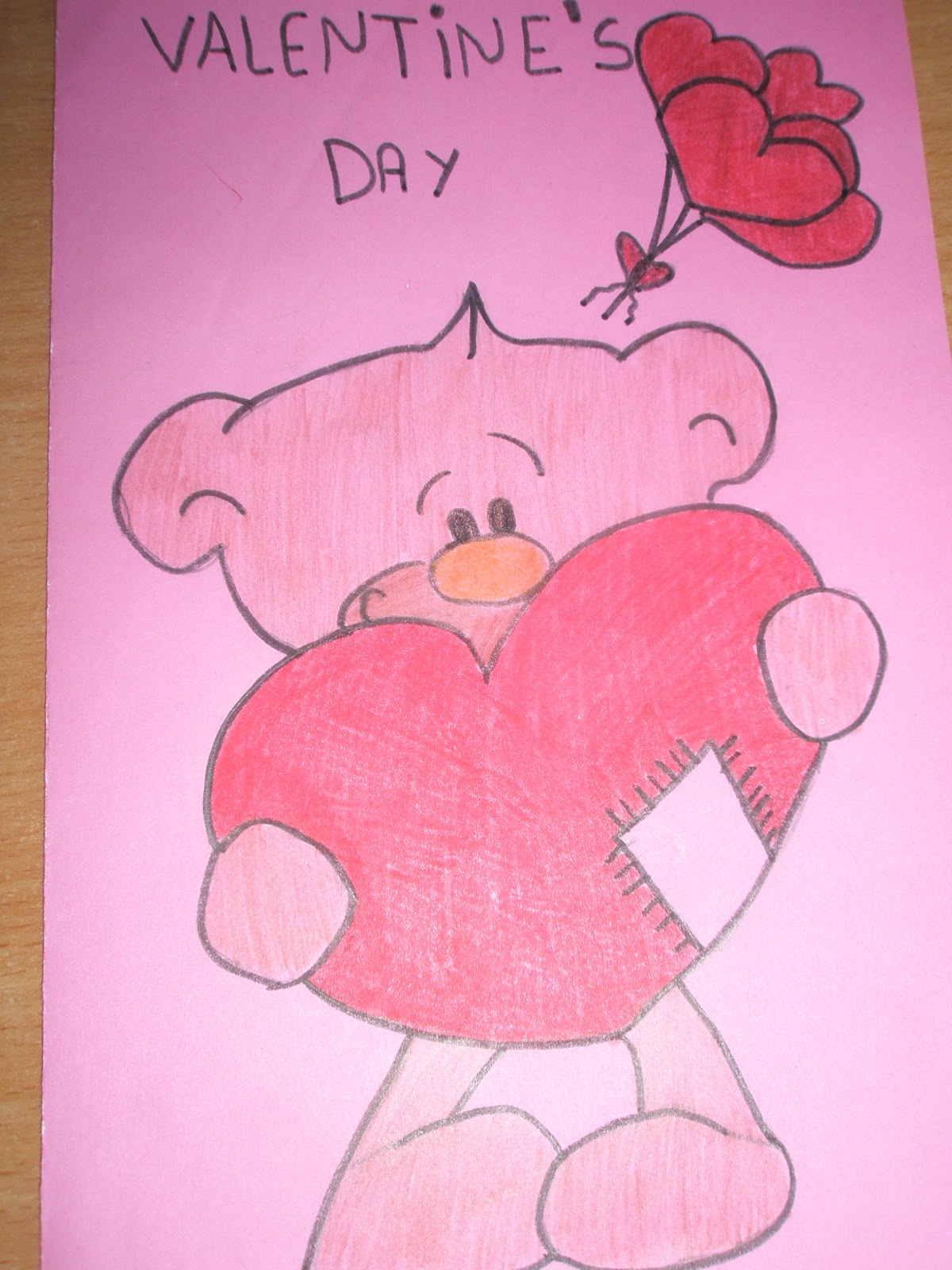
PROJECTS 2012: 1º ESO 'ST VALENTINE'S DAY' IES SALADILLO - ALGECIRAS - CÁDIZ


Projects made by Adelina Espinosa, Ana R Lastra, Déborah Ladrón,  Dina Ben Aissa, Francisco J Peña, Mariana Armenta and Nossair El Idrissi on St Valentine's Day

PROJECTS 2012: 3º ESO 'ST VALENTINE'S DAY' IES SALADILLO - ALGECIRAS - CÁDIZ


Projects made by Alba Marín, Alba Ortega, Claudia Gómez, Daniel Ravé, María Luis, Marina Benítez, Nerea García and Rocío Carrascosa on ST Valentine's Day