domingo, 4 de marzo de 2012

TOO / ENOUGH

TOO: It means more than is necessary or excessive. (DEMASIADO / A / OS / AS)

Too + ADJ / ADV                                         
I am too tired                           The music is too loud
He is too big                            You work too slowly
 
Too much (Uncountable):        There is too much water
Too many (Countable):           There are too many students

 
    ENOUGH:  It means sufficient. (SUFICIENTE / SUFICIENTEMENTE)

Enough + NOUN                    I have enough money
ADJ / ADV + Enough  He is tall enough to play basketball

NOT + ADJ + ENOUGH (NO SUFICIENTEMENTE / NO LO BASTANTE)
He is not tall enough to play basketball

* We use TO+Infinitive after TOO and ENOUGH

COMPARATIVE AND SUPERLATIVE (ADVERBS AND ADJECTIVES)


COMPARATIVE AND SUPERLATIVE (ADVERBS AND ADJECTIVES)

EQUAL          AS + ADJ / ADV + AS  
John is as intelligent as Mary
John eats as impulsively as Mary


INFERIOR    LESS + ADJ / ADV + THAN
John is less intelligent than Mary
John eats less impulsively than Mary


SUPERIOR    MORE + ADJ / ADV + THAN (more than 2 syllables)
John is more intelligent than Mary
John eats more impulsively than Mary

              (ADJ / ADV + ER) + THAN (only one syllable)
John is taller than Mary
John works harder than Mary


SUPERLATIVE  THE MOST + ADJ / ADV(more than 2 syllables)
John is the most intelligent boy
John works the most impulsively of all

                THE (ADJ / ADV + EST) (only one syllable)
John is the tallest boy
John works the hardest of all


* TWO SYLLABLES:

  a) -- --y          ier / iest
pretty: prettier than / the prettiest girl

  b) -- --other   more than / the most
rapid: more rapid than / the most rapid car

  c) -- --ly
ADJ (as 1 syllable)  ugly: uglier than / the ugliest cat
ADV (as 3 syllables)   quickly: more quickly than / the most quickly


IRREGULARS:
ADJ / ADV                      SUPERIOR                     SUPERLATIVE
good / well                      better                                the best
bad / badly                      worse                                the worst
many / much                   more                                 the most
few /little                        less                                   the least
old (adjective)                 older                    the oldest (things)
                                      elder                    the eldest (people)
far (adverb)                    farther                 the farthest (distance)
                                      further                 the furthest (general)


REDUPLICATION OF LAST CONSONANT:

C + ú + C --- c

DOUBLE COMPARATIVE:

a)      Continuous change: Peter was getting more and more nervous
b)      Two changes happening together: the more I read, the less I know

OTHERS:

c)      SIMILAR TO
d)     DIFFERENT FROM

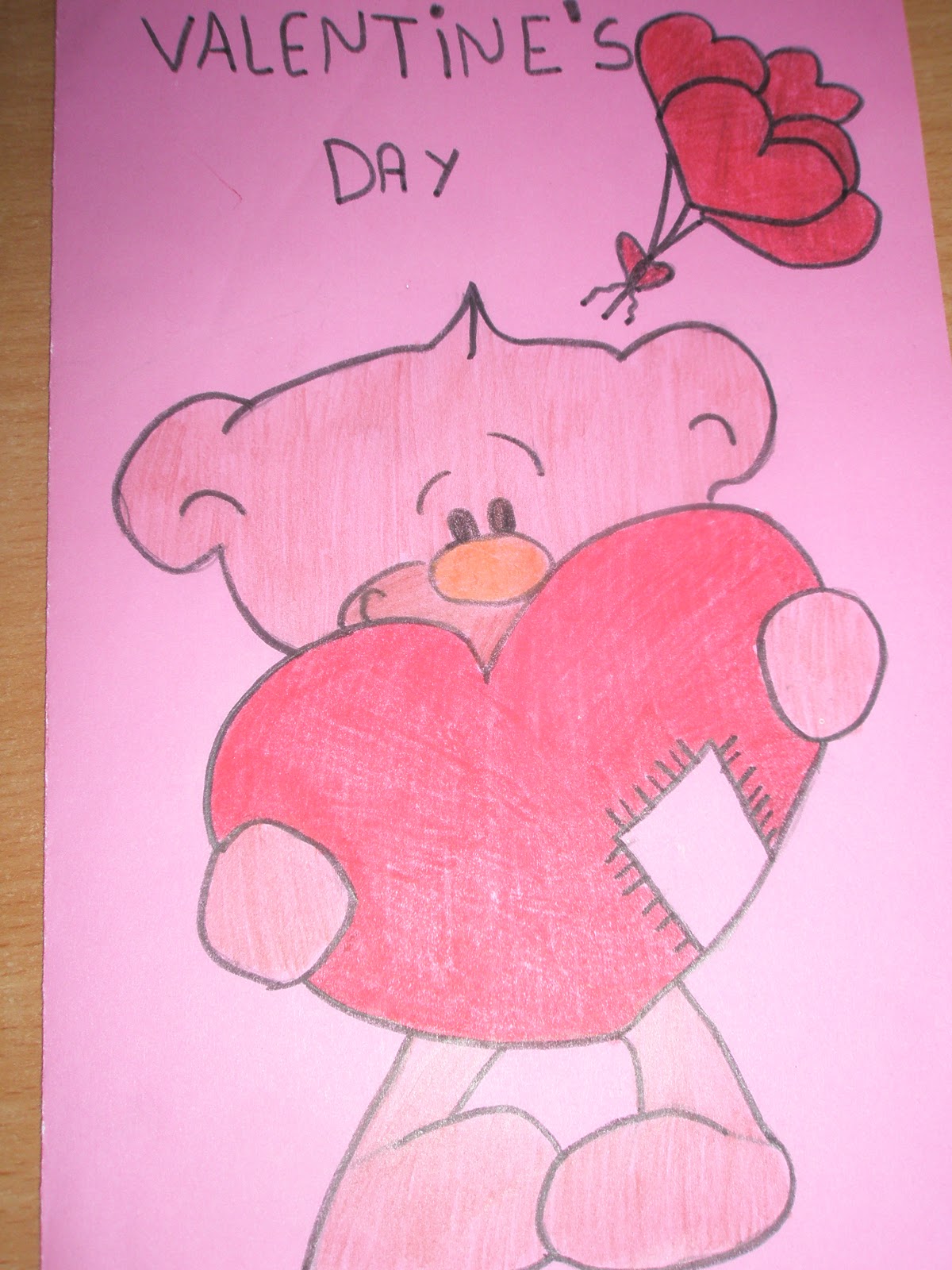
PROJECTS 2012: 1º ESO 'ST VALENTINE'S DAY' IES SALADILLO - ALGECIRAS - CÁDIZ


Projects made by Adelina Espinosa, Ana R Lastra, Déborah Ladrón,  Dina Ben Aissa, Francisco J Peña, Mariana Armenta and Nossair El Idrissi on St Valentine's Day

PROJECTS 2012: 3º ESO 'ST VALENTINE'S DAY' IES SALADILLO - ALGECIRAS - CÁDIZ


Projects made by Alba Marín, Alba Ortega, Claudia Gómez, Daniel Ravé, María Luis, Marina Benítez, Nerea García and Rocío Carrascosa on ST Valentine's Day

jueves, 9 de febrero de 2012

UNITED SATES OF AMERICA
(Click on the link for checking your knowledge on geography)
http://www.xtec.net/~ealonso/flash/usa1i.html

miércoles, 28 de diciembre de 2011

LYRICS OF THE MONTH (Listen to this track below): 'The Twelve Days of Christmas' by Ray Conniff.


On the first day of Christmas, 
my true love sent to me
A partridge in a pear tree. 

On the second day of Christmas,
my true love sent to me
Two turtle doves,
And a partridge in a pear tree.

On the third day of Christmas,
my true love sent to me
Three French hens,
Two turtle doves,
And a partridge in a pear tree.

On the fourth day of Christmas,
my true love sent to me
Four calling birds,
Three French hens,
Two turtle doves,
And a partridge in a pear tree. 

On the fifth day of Christmas,
my true love sent to me
Five golden rings,
Four calling birds,
Three French hens,
Two turtle doves,
And a partridge in a pear tree.

On the sixth day of Christmas,
my true love sent to me
Six geese a-laying,
Five golden rings,
Four calling birds,
Three French hens,
Two turtle doves,
And a partridge in a pear tree.

On the seventh day of Christmas,
my true love sent to me
Seven swans a-swimming,
Six geese a-laying,
Five golden rings,
Four calling birds,
Three French hens,
Two turtle doves,
And a partridge in a pear tree. 

On the eighth day of Christmas,
my true love sent to me  
Eight maids a-milking,
Seven swans a-swimming,
Six geese a-laying,
Five golden rings,
Four calling birds,
Three French hens,
Two turtle doves,
And a partridge in a pear tree. 
On the ninth day of Christmas,
my true love sent to me
Nine ladies dancing,
Eight maids a-milking,
Seven swans a-swimming,
Six geese a-laying,
Five golden rings,
Four calling birds,
Three French hens,
Two turtle doves,
And a partridge in a pear tree.

On the tenth day of Christmas,
my true love sent to me
Ten lords a-leaping,
Nine ladies dancing,
Eight maids a-milking,
Seven swans a-swimming,
Six geese a-laying,
Five golden rings,
Four calling birds,
Three French hens,
Two turtle doves,
And a partridge in a pear tree.

On the eleventh day of Christmas,
my true love sent to me
Eleven pipers piping,
Ten lords a-leaping,
Nine ladies dancing,
Eight maids a-milking,
Seven swans a-swimming,
Six geese a-laying,
Five golden rings,
Four calling birds,
Three French hens,
Two turtle doves,
And a partridge in a pear tree.

On the twelfth day of Christmas,
my true love sent to me
Twelve drummers drumming,
Eleven pipers piping,
Ten lords a-leaping,
Nine ladies dancing,
Eight maids a-milking,
Seven swans a-swimming,
Six geese a-laying,
Five golden rings,
Four calling birds,
Three French hens,
Two turtle doves,
And a partridge in a pear tree! 


martes, 27 de diciembre de 2011

PROJECTS 2012: 3º ESO 'DESCRIPTION of EVENT' IES SALADILLO - ALGECIRAS - CÁDIZ


Projects made by Claudia Gómez, José A García, María Luis,  Marina Benítez, and Yassmina Akdi on Description of Event

PROJECTS 2012: 1º ESO 'NUMBERS and HUMAN BODY' IES SALADILLO - ALGECIRAS - CÁDIZ


Projects made by Adelina Espinosa, Ana R Lastra, Déborah Ladrón,  Jassmina Calvo,  Mariana Armenta,  Nihal Bakkali and Noelia Valderrama on Numbers and Human Body 

miércoles, 25 de mayo de 2011

REPORTED SPEECH

REPORTED SPEECH
Reported speech is used when written or spoken words are repeated by someone else. (It is normally employed in conversation and newspapers). When Direct Speech is changed into Reported Speech a certain number of changes are necessary but, when the introducing verb is in the Present Perfect or Future tense, the verbs in Reported Speech do not change their tense.
Reported Speech is not put in inverted commas, and a colon or comma is not placed after the introducing verb.

The structure of a reported sentence would be as follows

Subject + Introducing Verb + Nexus + REPORTED SENTENCE
(Always in the PAST) (Void / That / If / Whether / Wh-?)

Changes when the Introducing Verb is in the PAST tense:
1) TENSE:
DIRECT SPEECH
REPORTED SPEECH
Present Simple
Past Simple
She said: 'It is five o'clock'
She said that it was five o'clock

Present Simple Continuous
Past Simple Continuous
He said: 'I'm washing my car'
He said that he was washing his car

Present Perfect / Past Simple
Past Perfect Simple
He told his wife: 'I've cleaned the window and washed the floor'
He told his wife that he had cleaned the window and had washed the floor

Present Perfect Continuous/ Past Continuous
Past Perfect Continuous
They stated: 'we have been studying so we were improving'
They stated that they had been studying so they had been improving

Future Simple (Will / Shall)
Conditional Simple (Would)
She suggested: 'I'll see you tomorrow'
She suggested that she would see him the following day

Future Simple Continuous
Conditional Simple Continuous
They thought: 'it will be raining tomorrow'
They thought that it would be raining the next day

Future Simple (Going to) ------- It is considered a Present Simple Continuous
He commented: 'I'm going to use my car'
He commented that he was going to use his car


2) PRONOUNS and POSSESSIVE ADJECTIVES:
DIRECT SPEECH
REPORTED SPEECH

FIRST
person
THIRD person
The worker said: 'I can't build the house'
The worker said that he couldn't build the house

* If the worker were reporting his own words pronouns and possessive adjectives wouldn't change: I said that I couldn't build the house

SECOND person
FIRST (Singular / Plural) or THIRD person
The director said: 'You are right'
The director told me I was right
The director told us we were right
The director told them they were right


3) WORDS and PHRASES (often adverbials related to time or place):
DIRECT SPEECH
REPORTED SPEECH
TIME
Today
That day / The same day

Yesterday
The day before / The previous day / The last day

Last day, week, month …
The day, week, month …. before
The previous / last day, week, month…

The day before yesterday
Two days before

Tomorrow
The day after / The following day / The next day

Next day, week, month …
The day, week, month …. after
The following / next day, week, month…

The day after tomorrow
In two days' time

Ago
Before / Previous / Previously

PLACE
This / These (determiners)
That / Those (THE)

This / These (pronouns)
It / Them

Here
There / In that place

* Verbs which do NOT change in Reported Speech:
DIRECT SPEECH
REPORTED SPEECH

Improbable Conditional (TYPE 2):He said: 'If I had more money, I would produce more'
He said that if he had more money he would produce more

Verbs always in the past tense (the imagined form after WISH, WOULD RATHER, AS IF, AS THOUGH, IT'S TIME… :He told her: 'I wish the radios were better'
He told her that he wished the radios were better

SHOULD, OUGHT TO, HAD BETTER, MIGHT, USED TO, COULD, MUST (Except when signifying obligation, that is, when Will / Would HAVE TO or HAD TO can be used):He thought: 'The weather might be fine later'
He thought that the weather might be fine later

* If CAN (Ability) or MUST (Obligation) are employed, they change in the Reported Speech into COULD and HAD TO

* QUESTIONS in Reported Speech:
DIRECT SPEECH
REPORTED SPEECH
Beginning with Interrogative Pronouns (Question Words) WHO, WHAT, WHERE, WHY, WHEN… :The reported question is written as a statement and the subject is placed before the verb; no question mark is necessary. When the verb To BE is used, it is placed at the end of the sentence in Reported Speech:

'Where does she live?', he asked
He asked where she lived
'When is the match next week?', she asked
She asked when the match the following week was

Beginning with AUXILIARIES or INTERROGATIVE FORMS of the verbs:The reported question is written as a statement, the subject is placed before the verb and IF or WHETHER is placed after the introducing verb; no question mark is necessary:

'Does she live in London?', he wondered
He wondered if / whether she lived in London
'Can I use a pencil?', asked the student
The student asked if / whether he could use a pencil

* Other verbs of reporting questions are: ASK, WONDER, INQUIRE, DEMAND, WANT TO KNOW, QUESTION…

* COMMANDS in Reported Speech:
DIRECT SPEECH
REPORTED SPEECH
The Imperative of the Direct command is changed into the INFINITIVE in a Reported Command, the person addressed must be included after the introducing verb, and verbs of Command or Request have to be used as introducing verbs (TELL, COMMAND, BEG, ORDER, REMIND, WARN, RECOMMEND, ADVISE…). No exclamation mark is necessary.

'Sit down and keep quiet', the director said
The director ordered us to sit down and be quiet

If a negative command is given, in the Reported Speech it is represented by NOT + INFINITIVE.

The teacher told us: 'Don't forget your homework'
The teacher warned us not to forget our homework

* EXCLAMATIONS in Reported Speech:DIRECT SPEECH
REPORTED SPEECHExclamations are change into STATEMENTS in the Reported Speech. No exclamation mark is necessary, but we need special introducing verbs to report the sense.

'What a lovely day!' she said
She exclaimed (that) it was a lovely day

* Many exclamations are left out in reported Speech, what is important is to report the sense:

'Oh dear, I'm broke', said the banker
Sighing and crying the banker remarked (that) he was broke


* SUGGESTIONS in Reported Speech:
 DIRECT SPEECH                                                   REPORTED SPEECH
Suggestions are change into STATEMENTS in the Reported Speech. We need special introducing verbs to report the sense like SUGGEST and RECOMMEND (or less frequently ADVISE and INVITE). They present two different forms:


Using THAT + Subject + Base:
'Let's watch the new film': Sarah suggested
Sarah suggested that we watch the film
'You should go to the doctor's, Peter': Sarah suggested
Sarah suggested that Peter go to the doctor's.


Using PRESENT PARTICIPLE + NO Subject:
'Turn left at the next intersection': John recommended
John recommended turning left at the next intersection

martes, 17 de mayo de 2011

PRESENT SIMPLE CONTINUOUS

PRESENT SIMPLE CONTINUOUS

SUBJECT + AM / ARE / IS + VERB-ing + (Complements)

STATEMENT
You are listening to the radio
He is coming from school by car
You are being an animal

NEGATION
You are not listening to the radio
He is not coming from school by car
You are not being an animal

INTERROGATION
Are you listening to the radio?
Is he coming from school by car?
Are you being an animal?

TIME EXPRESSIONS: (If placed at the beginning, separated by commas)

• NOW / RIGHT NOW
• AT THE MOMENT
• TODAY
• THIS DAY, WEEK, MONTH, YEAR, … CENTURY
• THESE DAYS, WEEKS, MONTHS, YEARS, … CENTURIES

USES:

• An action happening now: I am phoning from a call-box
• A temporary activity: She is watching a movie on TV
• Future arrangement: Peter is leaving tomorrow
• Simultaneous actions in the present: I am listening to the radio while I am having a bath
• With ALWAYS to show annoyance (irritation) or surprise: She is always laughing


STATIVE VERBS:• They cannot be used in the progressive form
• They are used to express feelings, likes and dislikes, possession and mental activities:

- LOVE, HATE, WANT
- LIKE, DISLIKE
- OWN, HAVE GOT
- THINK, REMEMBER, KNOW, UNDERSTAND, BELIEVE


VIDEO